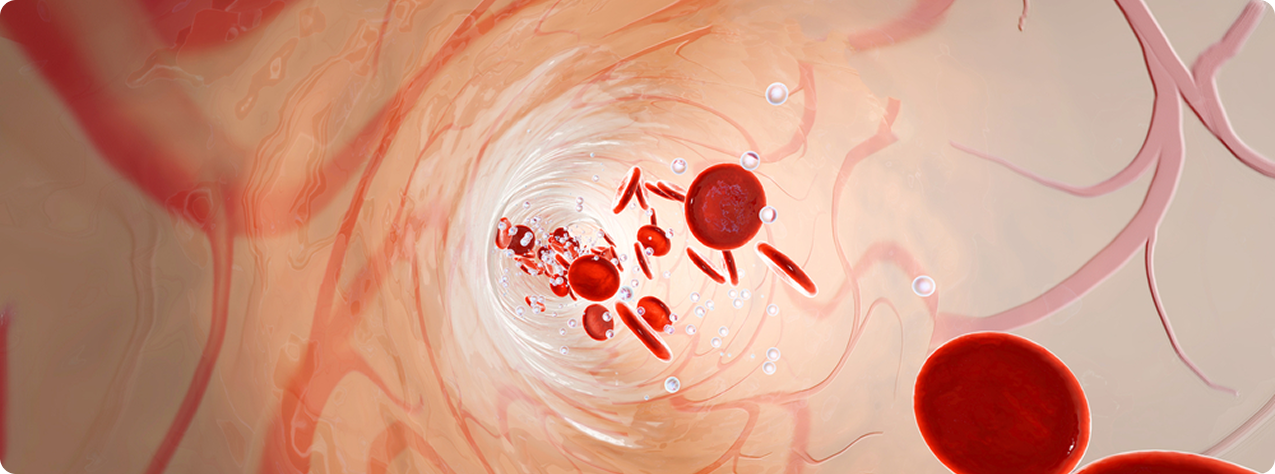
Varicose dilatation of esophageal veins
Esophageal varicose veins are enlarged veins in the lower part of the esophagus. The esophagus is the tube that connects the throat to the stomach Varicose veins of the esophagus occur mainly in patients with severe liver disease
Esophageal varices form when blood flow to the liver is blocked by scar tissue or a blood clot in the liver. Due to the obstruction, the blood is diverted into smaller blood vessels that cannot carry large volumes of blood Leakage of blood from blood vessels or rupture of blood vessels may develop, which is a life-threatening condition
Many medical procedures and medications are available to stop bleeding from esophageal varices.
Esophageal varicose veins develop when blood flow to the liver is blocked. This process is usually caused by scar tissue from liver disease that restricts blood flow. Blood flow to the liver begins to constrict, increasing the pressure in the vein (portal vein) leading to the liver. This pressure (portal hypertension) forces the blood to find alternative routes in the form of small veins Such veins are located in the lower part of the esophagus As a result of the passage of a large volume of blood, thin-walled veins swell Sometimes these veins burst and start bleeding
Causes of varicose veins of the esophagus:
- scarring of the liver (cirrhosis) Several liver diseases cause cirrhosis, for example: hepatitis virus infection, alcoholic liver disease, fatty liver disease, and bile duct disease called primary biliary cirrhosis. Esophageal varicose veins develop in 40% of patients with cirrhosis.
- Blood clots (thrombosis) A blood clot in the portal vein or associated splenic vein causes esophageal varices to dilate.
- parasitic infection Schistosomiasis is a parasitic infection found in parts of Africa, South America, the Caribbean, the Middle East, and Southeast Asia. Paasitis affects the liver, lungs, intestines and bladder
- Bud-Chiari syndrome This rare disease causes blood clots to form in the veins that carry blood from the liver.
Varicose veins of the esophagus do not cause symptoms before bleeding Symptoms of varicose veins of the esophagus after bleeding:
- Vomiting blood
- Black bloody stools
- Shock (in severe cases)
A doctor may suspect varicose veins if the following symptoms of liver disease are present:
If you have been diagnosed with esophageal varices, your doctor may instruct you on what signs to look out for when you are at risk of bleeding. Bleeding from varicose veins requires immediate medical attention If there is bloody discharge or stool, dial 112 and ask for emergency medical services